Showing posts with label Best doctor skin & hair clinic India. Show all posts

Monday, 6 August 2018

LEARN THE WONDERS OF NATURE FOR FACIAL PALSY

Parijatak offers Skin Specialist Treatment India for Facial Palsy


There are nerves that control our facial muscles and they sometimes get inflamed, compressed or swollen due to various reasons. This causes temporary paralysis or weakness in the facial muscles, hence affecting the moments of other parts like mouth and eyes.
The degree of facial palsy varies and so does its affects – in some cases only a small part of the face gets paralyzed while in other an entire side of the face is affected. There are some rare cases in which both the sides of the face get paralyzed.

Causes of Facial Palsy

The most common reason for the paralysis of face is Bell’s palsy. However, there are some other causes to that result in facial palsy, which includes:
    • Viral infections
    • Effects of surgical treatments
    • Bacterial infections like lyme disease
    • Genetic syndromes
    • Traumatic injury in face, brain or skull
    • Abnormal development of facial muscle or nerve before birth (in the womb)
    • Stroke damaging brain nerves, which then fail to send message to facial nerves, thus causing palsy
    • Certain neurological conditions
    • Trauma at the time of birth
    • Constant yawning
    • Vigorous tongue scrapping
    • Regular consumption of fermented drinks and alcohol
    • Perpetual suppression of natural urges like yawning and sneezing
    • Speaking loudly over a period of time

Symptoms of Facial Palsy


There are many signs that appear in facial and psychological functioning, indicating the prevalence of facial palsy. Some of the physical symptoms include:
    • Pain in the joints corresponding to face
    • Pain or feeling of numbness in various parts of face like eyes, nose, lips, cheeks, forehead, etc
    • Tremors
    • Unexplained and sudden difficulty in speech
    • Discomfort in mouth, eyes and nose
    • Occasional experience of pricking sensation
    • Shivering of head
    • Numbness in the skin in some parts of the face
    • Turbidity of eyes

Ayurvedic Treatment for Facial Palsy


Consumption of certain herbal ayurvedic medicines and incorporation of a few alterations in the diet as per ayurveda can prove to be effective in treating facial palsy.
    • Garlic (Lashuna) – It improves the blood circulation in the facial nerves and relieves swelling.
    • Clove (Lavanga) – Regular intake of 2-3 drops of the clove oil in any form help to strengthen the muscles.
    • Casor Oil and Leaves (Eranda) – Warming up the leaves or oil before directly applying it on the weakened muscles helps to relieve the inflammation.
    • Vitex Negundo (Nirgundi) – It helps in improving the strength of muscles and relieve nerve pains.
    • Black Gram (Masha) – The mahamasha tailam has the nourishing properties and if the paralysis is caused by weakening of nerves then it can be helpful.
In addition to these factors, ayurvedic treatment for skin works wonders for a glowing and refreshing skin and further preventing several causes of various skin disorders. The center at Nagpur also discloses many ayurvedic beauty secrets Parijatak for a youthful skin.

Wednesday, 1 August 2018

Get the Best Ayurvedic Treatment for Skin to Beat Idiopathic Thrombocytopenic Purpura

TREAT IDIOPATHIC THROMBOCYTOPENIC PURPURA THROUGH AYURVEDA


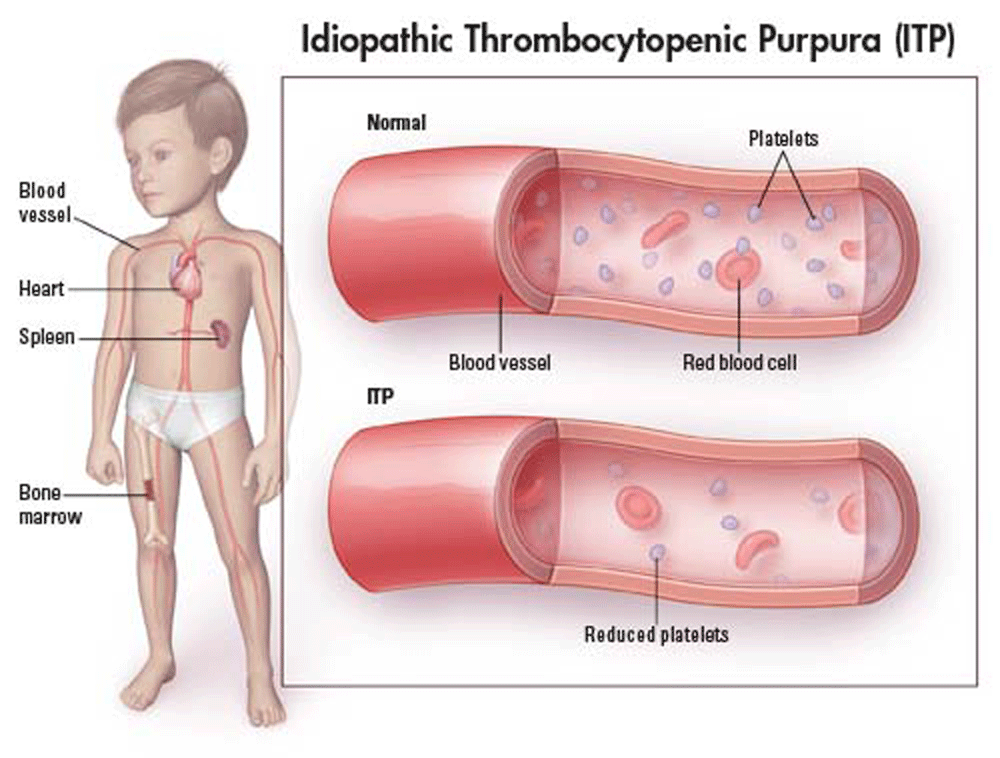
Idiopathic Thrombocytopenic Purpura (ITP) is a skin condition where antibodies in the immune system destroy the body platelets characterized by bleeding and skin patches. Platelets play an integral role in blood clotting and when the platelets count reduces, the process of blood clot formation gradually slows down, further resulting in excessive bleeding.

Types of Idiopathic Thrombocytopenic Purpura


There are two main types:
    • Acute ITP: This common type occurs mainly in children and last for about six months.
    • Chronic ITP: This serious skin disorder mainly occurs in teenagers and adults.

Symptoms of ITP

The most common symptoms of ITP are:
    • Superficial bleeding
    • Excessive bruising
    • Bleeding from the nose and gums
    • Presence of blood in the urine
    • Vomiting with blood

Ayurvedic View of ITP


In the medical field there are various health disorders still left untreated and are challenged by the most reputed and recognized doctors. However, Ayurveda defines the best cure for even those diseases and ITP is one amongst the list. The fundamental and holistic approach of ayurvedic skin care takes into considerations the best therapies and herbal remedies by balancing the root causes of ITP.
Ayurveda for skin states that this disorder occurs due to an imbalance in pitta dosha. Moreover the natural healing process also states several natural remedies for treating the symptoms of ITP in the most effective manner. Some of the herbs used as best ayurvedic medicine for skin are:
    • Giloy : This herb has antibacterial and anti-inflammatory properties work to strengthen the functioning of macrophages, a significant type of white blood cells responsible for engulfing foreign substances, cancer cells, cellular debris and other harmful components accumulating in the body.
    • Ashwagandha : The herb Ashwagandha is responsible to increase the functioning of the red and white blood cells while improving blood circulation and promoting a healthy physical structure.
    • Swaran Basant Malti Ras: This is the best ayurvedic medicine with proven results for the treatment of ITP symptoms and various other health concerns.
    • Kumar Kalyan Ras : This is a wonderful herbal cure for managing the ITP symptoms while strengthening the digestive functioning.
    • Gotukola : This herb is beneficial in increasing the platelet count and helps fight various types of infections within the human body.
    • Punarnava Mandur: This excellent detoxifying agent helps in strengthening the functions of the blood.
Parijatak offers a complete treatment for ITP while pacifying the imbalance of the pitta dosha and increasing the blood platelet count. A variety of combinations from different herbs is used for the course of treatment with an assurance that the disease will eradicate with ease and efficiency.

Friday, 13 July 2018

PIMPLES AND AYURVEDIC CURE

Experts to get natural remedies for Pimples

Pimples are common in teenagers who are still undergoing the hormonal changes as they grow into young men and women. Pimples in Ayurveda called as Tarunya Pidika or Yuvan Pidika. Tarunya means young age and Pidika means skin eruption or pustules. In Samhita, it is also described as mukha dooshika means which damage the beauty of the face. Another is padmini kantaka – because of thorn-like nature of acne.
This problem is commonly seen at adolescent age due to the fluctuation of hormone levels. Other causes are stress, bad skin health, regular change of soaps, shampoos and other beauty products, improper digestion and secretion of toxins in the blood. Excess production of oil from sebaceous glands causes blockage of hair follicles which is also responsible for the growth of acne.

Common Causes of Acne


Acne are caused due to
– Excess intake of oily, spicy & junk food.
– Night awakening
– Overuse of beauty products.
– Excess intake of non-vegetarian food stuffs.

How is Acne Caused?

Samprapti

Due to above-mentioned reasons, Vata & Pitta doshas aggravated in the body. They lead to vitiation of Rakta (Blood) & mamsa dhatu (muscle tissues ), which causes irritation in the localized area like face, neck, chest and back and forms lesions called as Youvan pidika or acne.

Features of Acne

Pinkish or reddish small eruptions which are initially nonmatching, non-painful & non-burning in nature. If it was untreated then it was pus filled & painful & leads itching in particular area. If it was not treated properly then it forms the black spot on face.

Ayurvedic Treatment of Acne

    • Panchakarma therapy : Vaman and virechana is very effective for removal of toxins present in the blood.
    • Raktamokshan : Withdrawal of impure blood through leech is very effective in pimples.
    • Medicinal Formulation : Several Ayurvedic formulations are useful in healing acne.
      • Sukshma Triphala– This is responsible for proper digestion and immunity.
      • Arogya vardhini – It enhances the metabolic function of the liver, and balances pitta.
      • Mahamanjisthadi kashaya– This acts as a blood purifier.
      • Triphala guggul– It helps to dry up the sebum, and clears the channels and pores.
      • Chandanasava , Ushirasava– This acts as a thermoregulator and controls body heat.
    • External Application : A paste of himba patra, haridra, sariva, Raktachanda, manjistha and  Amalaki gives good results in acne.

Acne Cure at Parijatak


Ayurveda’s magic has always worked on acne and other skin problems. Homemade remedies have been used by us in our everyday life. Natural extracts of herbs and herbal ointments prepared by the skin specialists at Parijatak are very effective for curing any kind of skin problem. They are prepared following authentic Ayurvedic guidelines and methods. The skin care therapies given to the patients are very potent therapies for pimples. Make people envious of your facial glow. Believe the benefits of Ayurveda. Trust Parijatak Ayurveda and its skin care therapy. You will fall in love with your skin.

Wednesday, 11 July 2018

Ayurvedic Treatment For Venous Skin Ulcer

VENOUS SKIN ULCER TREATMENT IN PARIJATAK AYURVEDA


About Venous Skin Ulcer

A skin ulcer is a type of wound that develops on the skin. A venous skin ulcer is a shallow wound that occurs when the leg veins don’t return blood back toward the heart the way they should. This is called venous insufficiency. See a picture of abnormal blood flow caused by venous insufficiency.
These ulcers usually form on the sides of the lower leg, above the ankle and below the calf. See a picture of areas affected by venous skin ulcers
Venous skin ulcers are slow to heal and often come back if you don’t take steps to prevent them.
A venous skin ulcer is also called a stasis leg ulcer.

Causes

Venous skin ulcers are caused by poor blood circulation from the legs, such as from venous insufficiency. Your veins have one-way valves that keep blood flowing toward the heart. In venous insufficiency, the valves are damaged, and blood backs up and pools in the vein. Fluid may leak out of the vein and into the surrounding tissue. This can lead to a breakdown of the tissue and an ulcer.
Veins that become blocked also may cause fluid to pool, leading to these ulcers.
Some things can increase your risk of venous skin ulcers. These include:
    • Deep vein thrombosis, in which a blood clot (thrombus) forms in the deep veins of the legs.
    • Obesity.
    • Smoking.
    • Lack of physical activity.
    • Work that requires many hours of standing.
There are two other types of skin ulcers that can happen on the lower leg or feet. They are different from venous skin ulcers.
    • Arterial skin ulcers are less common than venous skin ulcers. They happen when artery disease is present (sometimes in combination with venous disease). These ulcers tend to be extremely painful. They are usually on the toes and feet.
    • Neuropathic skin ulcers are also known as diabetic neuropathic ulcers. They occur in people who have little or no sensation in their feet because of diabetic nerve damage.

Symptoms

The first sign of a venous skin ulcer is skin that turns dark red or purple over the area where the blood is leaking out of the vein. The skin also may become thick, dry, and itchy.
Without treatment, an ulcer may form. The ulcer may be painful. You also may have swollen and achy legs.
If the wound becomes infected, the infection may cause an odor, and pus may drain from the wound. The area around the wound also may be more tender and red.
Call your doctor when you first notice the signs of a venous skin ulcer, because you may be able to prevent the ulcer from forming. If an ulcer has formed, get treatment right away, because new and smaller ulcers tend to heal faster than larger ones.

Ayurvedic Treatment For Venous Skin Ulcer At Central India

    • Pitta vata samanam
    • Sophagnam
    • Vrana sodhana ropana dravya prayogam

Ayurvedic Medicines For  Venous Skin Ulcer

Punarnavadi Kashayam

Punarnavadi Kashayam is a very famous Ayurvedic medicine in liquid form. It is also known as Punarnavashtaka kashaya, Punarnavashtak kwath. But there is slight difference. Punarnavadi kashayam contains turmeric as an extra ingredient. But both have quite similar properties and therapeutic action.

Punarnavadi Kashayam benefits

It is used in the treatment of inflammatory conditions like myxedema, ascites, anasarca.
Some doctors use this medicine as natural diuretic.
It is also used in the treatment of respiratory conditions, cold, cough, dyspnoea, anemia and abdominal pain.

Punarnavadi Kashayam Ingredients

Punarnava – Boerhaavia diffusa
Daru – Cedrus deodara
Nisha – Turmeric
Tikta – Andrographis paniculata
Patola – Luffa acutangula
Pathya – Terminalia chebula
Pichumarda – Neem
Musta – Cyperus rotundus
Nagara – Ginger
It is added with 8 parts of water, boiled and reduced to quarter part, filtered.

Punarnavadi Kashayam reference

Bhaishajya Ratnavali Udararoga 43-44, Sahasrayogam.

Dosage: 60 ml morning and night after food

Triphala Guggul

Triphala Guggul is a very famous Ayurvedic medicine in tablet form. It is also known as Triphala Guggulu tablets, Triphala Gulgulu etc. This tablet has Guggulu (commiphora mukul) as its base.It is widely used in the Ayurvedic treatment for weight loss.

Triphala Guggul benefits

It is widely used in the Ayurvedic treatment of weight loss, piles, fistula and inflammatory conditions.

Triphala Guggul Ingredients

Haritaki – Terminalia chebula – 48 g
Vibhitaki – Terminalia bellirica – 48 g
Amalaki – Emblica officinalis – 48 g
Krishna – Long pepper – 48 g
Guggulu – Purified Commiphora mukul.
All the above ingredients are pounded with guggulu and rolled into pills of uniform size of 500 mg.

Triphala Guggul reference

Sharangdhara Samhita madhyamakhanda 7/82-83

Dosage: 1 teaspoon three times a day after food

Jatyadi Ghrita

Jatyadi Ghrita is an Ayurvedic medicine, in herbal ghee form.This medicine has ghee as its base. It is used for the preparatory procedure for Panchakarma and also as a medicine. It is also known as Jatyadi Ghritam. This medicine is used for external application only.

Jatyadi Ghrita benefits

It is used externally in the treatment of deep-seated wounds and ulcers, non-healing wound with secretions.
Useful in skin tuberculosis lesions.

Jatyadi Ghrit Ingredients

Jati – Jasminum sambac- 14.76 g
Nimbapatra – neem leaves- 14.76 g
Patolapatra – Trichosanthes dioica- 14.76 g
Katuka – Picrorrhiza kurroa- 14.76 g
Darvi – Berberis aristata – 14.76 g
Nisha – Curcuma longa – 14.76 g
Sariva – Hemidesmus indica- 14.76 g
Manjishta – Rubia cordifolia- 14.76 g
Abhaya – Terminalia chebula / Vetiveria zizanioides – 14.76 g
Siktaka – Honey bee wax – 14.76 g
Tuttha – Purified blue vitriol – 14.76 g
Madhuka – Glycyrrhiza glabra- 14.76 g
Naktahva – Pongamia pinnata – 14.76 g
Sarpi – ghee – 768 ml
water – 3.072 liters
The above combination is heated till herbal ghee is prepared.

Jatyadi Ghrita reference

Ashtanga Hrudaya Uttarasthana 25/67

Dosage: External Application over the wound

Sahacharadi Thailam

Sahacharadi Thailam is an Ayurvedic herbal oil used in the treatment of Vata imbalance disorders, muscle and joint stiffness and convulsions. It is used orally and also for massage.
    • Sahacharadi Tailam uses: It is useful in the Ayurvedic treatment of Vata diseases, tremors, convulsions, psychosis, the stiffness of thigh, muscle cramps, and muscle wasting.
It helps to relieve rhinitis and sinusitis.
It is useful in gynecological disorders.
    • Sahacharadi Thailam ingredients and how to make:
      Coarse powder of –
      Sahachara – Strobilanthes ciliates – 4.8 kg
      480 grams of each of
      Bilva – Aegle marmelos
      Agnimantha – Premna mucronata
      Shyonaka – Oroxylum indicum
      Gambhari – Gmelina arborea
      Patala – Stereospermum suaveolens
      Shalaparni – Desmodium gangeticum
      Prinshnaparni – Urarica picta
      Gokshura – Tribulus terrestris
      Brihati – Solanum indicum
      Kantakari – Solanum xanthocarpum
      Abhiru – Asparagus racemosus – 2.4 kg
      Water for decoction – 49.152 liters, boiled and reduced to 12.288 liters, filtered.
      Paste prepared from fine powders of 48 g of each of
      Sevya – Khus Khus – Vetiveria zizanioides
      Nakha – Capparis sepiaria
      Kushta – Saussurea lappa
      Hima – Sandalwood – Santalum album
      Ela – Cardamom – Elettaria cardamomum
      Sprikka – Anisomeles malabarica
      Priyangu – Callicarpa macrophylla
      Nalika – Hibiscus cannabinus
      Ambu – Pavonia odorata
      Shaileya – Parmelia perlata
      Lohita – Indian Madder (root) – Rubia cordifolia
      Nalada – Nardostachys jatamansi
      Loha (Agaru) – Aquilaria agallocha
      Surahva – Himalayan cedar (bark) – Cedrus deodara
      Choraka – Angelica glauca
      Mishi – Indian Dill – Anethum sowa
      Turushka – Liquid amber orientalis
      Nata – Indian valerian (root) – Valeriana wallichi
      Ksheera – Cow milk – 3.072 liters
      Taila – Sesame oil – Sesamum indicum – 3.072 liters
      The above set of ingredients is heated till only oil remains, filtered.
Reference of Sahacharadi Tel: Ashtanga Hrudayam Chikitsa Sthana 29 / 66-68
Dosage: 1o drops with milk at night.

    • Plain unheated coconut oil – For external application
Ayurvedic Treatment For Venous Skin Ulcer At Central India, if you are suffering from following Venous Skin Ulcer take a direct consultation From Dr. Nitesh Khonde.

SWELLING (KSHAVATHU) AND AYURVEDA

Swelling (kshavathu) And Ayurveda Swelling can be seen in any part of body. According to ayurveda it is divided as- Innate Non-...